Importance of Manga in Europe
Blog post description.
3/29/20263 min read
Why Manga Matters for Contemporary Art in Europe
And How It Inspires a New Generation of Young Artists
Introduction
Manga is often understood simply as a form of Japanese comics, but its influence extends far beyond entertainment. In contemporary Europe, manga has become a major cultural and artistic force, especially among young people. It shapes how they learn to draw, how they approach storytelling, and how they see themselves as creators.
Rather than being a niche interest, manga now plays a central role in the development of modern visual culture. From sketchbooks in classrooms to professional illustration and design, its presence is undeniable.
Manga as a Gateway to Art
One of manga’s most important contributions is its role as an accessible entry point into art. Many young people who might never have considered drawing seriously find themselves inspired by manga’s visual style and emotional storytelling.
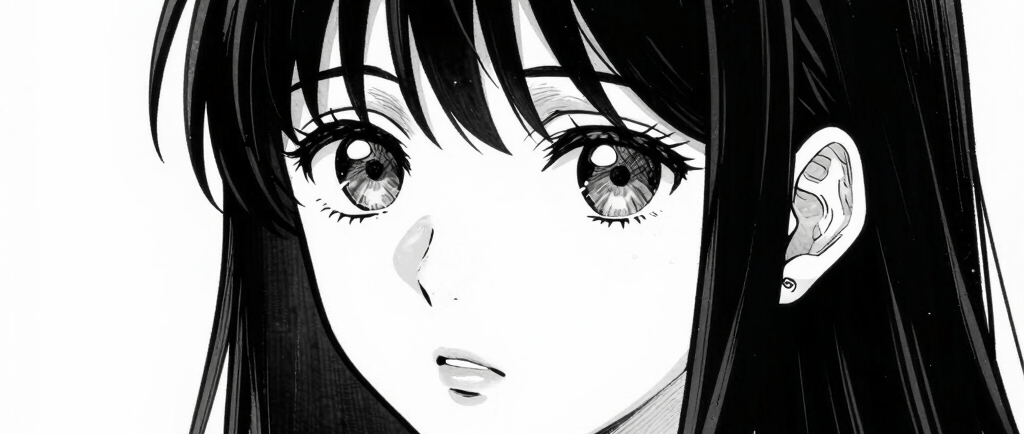
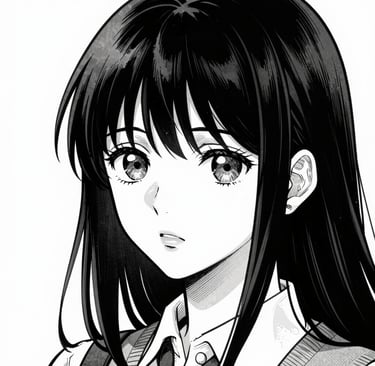
Compared to traditional European art education—which often begins with realism, anatomy studies, or classical techniques—manga offers a more immediate and engaging starting point. Its defining features, such as expressive characters, stylized proportions, and dynamic compositions, make it easier for beginners to experiment and see results quickly.
This accessibility is crucial. It removes the fear of failure and replaces it with curiosity and enjoyment. For many young artists, manga is the moment when art stops being something distant and becomes something personal and achievable.
Learning to Draw Through Manga
Across Europe, manga has become one of the most common ways young people learn to draw. Its structure naturally teaches core artistic skills while allowing room for creativity.
For example:
Simplified anatomy helps beginners understand proportions without being overwhelmed
Clear linework encourages precision and confidence
Stylization allows artists to focus on expression rather than perfect realism
Manga also emphasizes character design and storytelling. Young artists learn not just how to draw figures, but how to give them personality, emotion, and narrative context.
Importantly, manga is rarely the final destination. Instead, it serves as a foundation. Many artists begin by copying or adapting manga styles, but gradually develop their own unique approaches, blending influences from different traditions.
In this way, manga functions as both a learning tool and a creative springboard.
Manga’s Influence on Contemporary European Art
The influence of manga is no longer limited to amateur artists. It is now visible throughout the contemporary European art scene.
In illustration, graphic novels, and digital media, artists increasingly adopt techniques inspired by manga, such as:
Cinematic panel layouts that guide the viewer’s eye
Strong emotional expression through minimal lines
Dynamic movement and action
European graphic novels, in particular, have evolved by incorporating manga-inspired pacing and visual storytelling. This has led to a more global style that blends European artistic traditions with Japanese influences.
Beyond comics, manga has impacted:
Animation, where expressive character design and storytelling techniques are widely used
Fashion, with bold graphics and stylized imagery
Digital art communities, where manga-inspired styles dominate platforms and social media
This cross-pollination reflects a broader shift toward a globalized art culture, where boundaries between styles and traditions are increasingly fluid.
The Heritage of Manga
To fully understand manga’s significance, it is important to recognize its historical roots.
Manga is deeply connected to traditional Japanese art forms. Influences include:
Ukiyo-e woodblock prints, known for their bold compositions and use of line
Narrative picture scrolls, which combined text and imagery to tell stories centuries ago
Modern manga, however, took shape in the 20th century, particularly after World War II. One of the most influential figures in this development was Osamu Tezuka. Often referred to as the “God of Manga,” Tezuka introduced cinematic storytelling techniques, expressive character designs, and narrative depth that defined the medium as it is known today.
His work helped establish manga as a sophisticated form of visual storytelling rather than simply illustrated entertainment.
This rich heritage means that manga is not just a contemporary trend—it is part of a long artistic tradition that continues to evolve.
Why Manga Matters Today
In today’s interconnected world, manga plays a unique and important role. It acts as a bridge between cultures, allowing ideas, styles, and stories to move across borders.
For young people in Europe, manga offers:
A way to explore creativity without rigid constraints
A global cultural connection beyond their immediate environment
A sense of belonging within artistic communities, both online and offline
Perhaps most importantly, manga empowers individuals to create. It demonstrates that art is not limited to professionals or institutions—it is something anyone can practice and develop.
This sense of accessibility and possibility is what makes manga so influential. It does not just teach technique; it inspires confidence and imagination.
Conclusion
Manga has become a central force in contemporary European art, particularly among young people. It serves as an entry point into creativity, a tool for learning, and a source of inspiration that transcends cultural boundaries.
By combining accessibility, strong visual storytelling, and a rich historical background, manga continues to shape how new generations approach art. It encourages experimentation, fosters individual expression, and contributes to a more diverse and interconnected artistic landscape.
Ultimately, manga is more than a style—it is a catalyst for creativity and a key influence in the evolution of contemporary art in Europe.
Contact
Contact us for more information and check our socials!
contactdetails
info@kalkfell.com
+31 6 49127969
© 2026. All rights reserved.