
The analog shift
Blog post description.
3/31/20261 min read
The Analog + Social Shift: A Return to Real-Life Hobbies
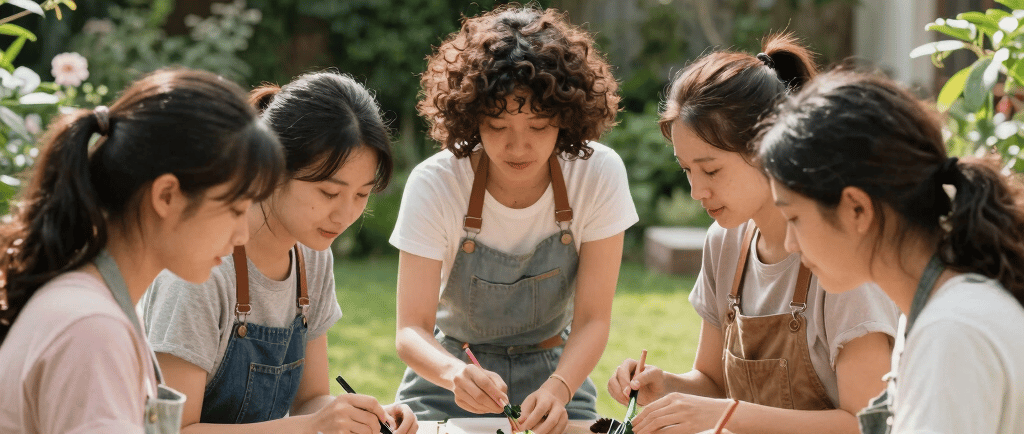
Across the world, a clear shift is emerging in how people spend their free time. After years of constant connectivity, many are moving away from purely digital activities and rediscovering analog, real-world hobbies—but with a new twist: they are doing them together.
This “analog + social” shift reflects a growing need for balance. Digital life has brought convenience and connection, but also fatigue. Endless scrolling, notifications, and screen time have left many feeling overwhelmed and disconnected. In response, people are turning to activities that are tangible, slower, and more intentional—like pottery, painting, cooking, or gardening.
What makes this trend different from the past is its strong social dimension. Hobbies that were once solitary are becoming shared experiences. Craft nights, book clubs, cooking classes, and creative workshops are growing in popularity across Europe, the U.S., Asia, and beyond. These spaces allow people to connect through doing, not just talking.
This shift is closely tied to well-being. Analog activities help reduce stress and improve focus, while shared experiences create a sense of belonging. Together, they address two major challenges of modern life: digital overload and social isolation.
At the same time, hobbies are becoming a form of self-expression. In contrast to algorithm-driven digital content, analog activities allow people to create something unique and personal. When shared with others, this creativity becomes collaborative, sparking new ideas and deeper connections.
The impact of this trend goes beyond individuals. Businesses and communities are adapting by creating spaces for shared experiences—workshops, studios, and events that turn hobbies into social platforms. Even travel is evolving, with people seeking experience-based activities rather than passive consumption.
Ultimately, the analog + social shift is not about rejecting technology, but about rebalancing it. It reflects a broader cultural movement toward presence, connection, and meaning.
In a fast, digital world, people are rediscovering something simple:
doing things with their hands, and sharing those moments with others, is what makes time truly valuable.
Contact
Contact us for more information and check our socials!
contactdetails
info@kalkfell.com
+31 6 49127969
© 2026. All rights reserved.